Introducing Melzara Cream: A Clinically Different Prescription-Only Option from SKNV
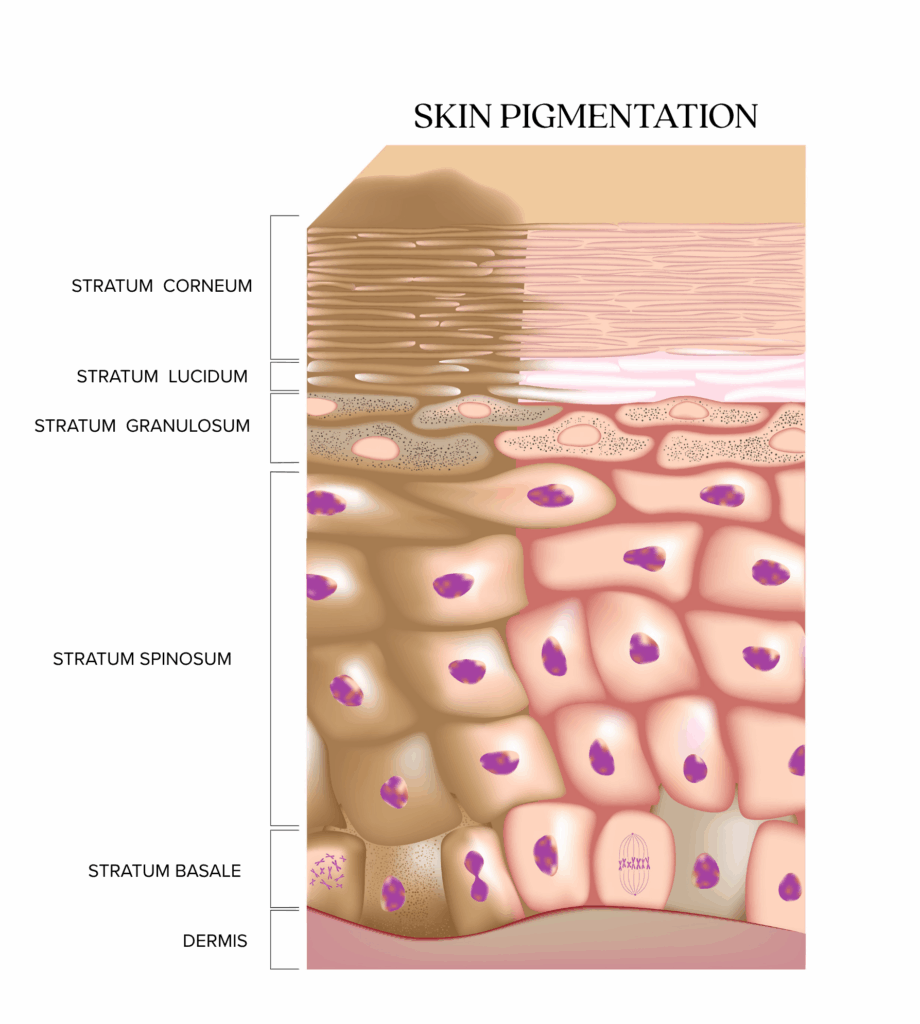
Each year, millions of patients visit dermatology practices with concerns of uneven skin tone, pigmentation irregularities, and conditions such as melasma or post-inflammatory hyperpigmentation (PIH). According to data published in the Journal of the American Academy of Dermatology (JAAD) and global dermatology surveys, pigmentary disorders affect a significant portion of the population and can meaningfully impact quality of life.
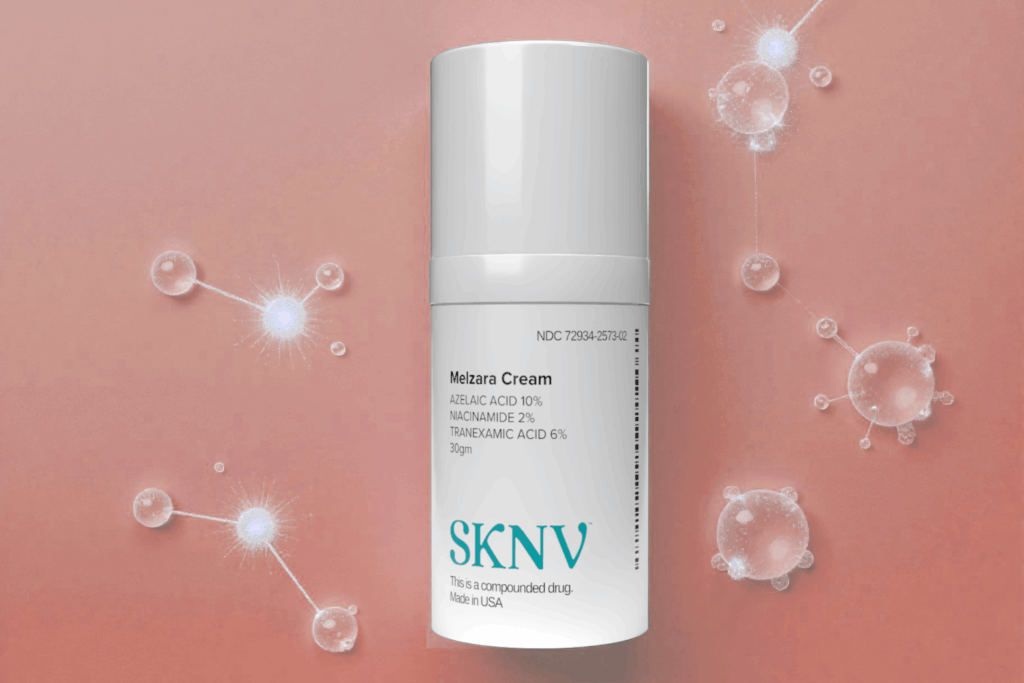
SKNV’s Melzara Cream represents a new, unique option for healthcare providers that help patients target concerns commonly associated with uneven skin tone and pigmentation irregularities. Melzara Cream is a specialized medication designed to address melasma and persistent pigmentation with a synergistic blend of tranexamic acid, azelaic acid, and niacinamide, helping to calm inflammation and support balanced skin tone.
This innovative prescription-only formula combines Tranexamic Acid 6%, Azelaic Acid 10%, and Niacinamide 2% — three well-known, well-studied ingredients — in one custom formulation.

What Makes Melzara Cream Clinically Different?
While various prescription and over-the-counter formulations may include ingredients like Azelaic Acid, Melzara Cream stands apart by combining three synergistic active pharmaceutical ingredients,Tranexamic Acid, Azelaic Acid, and Niacinamide, into a single, streamlined formula.
This unique combination is designed to help target multiple pathways associated with pigmentation irregularities — all while simplifying a patient’s skincare routine.
For many prescribers, this streamlined application approach may help encourage better adherence and improve patient access by offering a custom formulation that can be dispensed at the prescriber’s office.
What’s Inside: Key Ingredients in Melzara Cream
Each active ingredient of Melzara Cream has a well-recognized role in dermatologic care:
Tranexamic Acid (6%)
Generally known for its anti-inflammatory and melanin-inhibiting properties, Tranexamic Acid is widely discussed in the dermatology community for its ability to help target uneven skin tone and discoloration concerns.
Azelaic Acid (10%)
Azelaic Acid is generally recognized for its antimicrobial and anti-inflammatory properties, making it a popular ingredient in medications that help support balanced skin tone and clarity.
Niacinamide (2%)
Also known as Vitamin B3, Niacinamide is generally known to help reduce redness and irritation and to support skin hydration. It’s often valued for its role in maintaining skin barrier function and overall skin health.
Can You Use Tranexamic Acid, Niacinamide, and Azelaic Acid Together?
Yes — Tranexamic Acid, Niacinamide, and Azelaic Acid can be used together, and this combination is valued for its synergistic approach to addressing hyperpigmentation and uneven skin tone. Each ingredient works through a distinct pathway to help support a more balanced, even-looking complexion.
What This Means for Melzara Cream
While these three ingredients are sometimes used individually in topical preparations, Melzara Cream represents one of the only prescription options that combines all three into a single, professionally dispensed formula.
By offering this triple-active combination through SKNV’s 503B Outsourcing Facility, prescribers gain access to a clinically different formulation that helps address melasma and other pigmentary concerns within a streamlined treatment approach.
This integration of Tranexamic Acid 6%, Azelaic Acid 10%, and Niacinamide 2% in one topical preparation allows providers to:
Offer a formulation that targets multiple biological pathways associated with pigmentation irregularities.
Simplify patient routines by reducing the need for multiple topical products.
Deliver a consistent, high-quality medication manufactured in an FDA-registered 503B facility.
Through SKNV, Melzara Cream brings together these well-recognized dermatologic actives in a way that is exclusive to prescription-based provider care, reinforcing SKNV’s commitment to supporting clinically guided, provider-controlled dermatology.
How They Work Together
Tranexamic Acid and Niacinamide:
These two ingredients complement one another in how they target pigmentation. Tranexamic Acid helps inhibit melanin production, while Niacinamide supports the skin barrier and helps reduce the transfer of pigment to surface skin cells. Together, they work to help fade the appearance of existing dark spots and reduce the likelihood of new ones forming.Azelaic Acid:
Azelaic Acid contributes additional benefits by promoting gentle exfoliation and helping manage acne-prone or textured skin. Its anti-inflammatory and antimicrobial properties make it a supportive component in combination therapies for pigmentation concerns.
A Thoughtful Combination in One Formula
While it’s possible to use these ingredients separately in a routine, combining them in a single, prescription-only formulation like Melzara Cream simplifies application and helps promote consistency — both important factors in achieving visible outcomes. Because Melzara Cream integrates all three active pharmaceutical ingredients into one balanced formulation, it allows prescribers to offer patients a more streamlined approach to pigmentation management under professional guidance.
Note: Individuals with sensitive skin may require gradual introduction or alternating use of medications containing potent actives. Always follow a prescriber’s guidance for application frequency and duration.
What’s Not in Melzara Cream
Equally as important to what’s inside Melzara Cream is what SKNV has chosen to leave out.
Melzara Cream does not include Propylene Glycol, a common ingredient that may be a potential allergen or irritant for certain individuals.
Note: A prescriber must determine whether this ingredient exclusion makes a clinical difference for an individual patient. SKNV makes no claim that Melzara Cream is safer or more effective than an FDA-approved drug containing Propylene Glycol.
Melzara offers the active ingredients you need — without the inactive ingredients you don’t.
A Custom-Formulated Medication for Individual Needs
Melzara Cream is formulated with a combination of Tranexamic Acid, Azelaic Acid, and Niacinamide, and no commercially available 505-approved medication contains the same combo of active pharmaceutical ingredients.
This specialized formula allows prescribers to address unique patient requirements rather than relying solely on one-size-fits-all, or off-the-shelf options.
Each formulation is designed to help target skin concerns related to tone, texture, and hydration — as determined by a healthcare professional.

Who Might Benefit from Melzara Cream
Melzara Cream may be prescribed for individuals experiencing:
Melasma or post-inflammatory hyperpigmentation
Uneven skin tone or blotchiness
Persistent pigmentation concerns unresponsive to single-ingredient therapies
(Always note that prescription use is determined by a licensed provider.)
Important Usage Information
For topical use only — apply exactly as instructed by your healthcare provider.
Consult your prescriber before use if pregnant or nursing.
Discontinue use and seek medical attention if irritation or adverse reactions occur.
Store at room temperature (20–25 °C / 68–77 °F) in a dry, dark place.
Always follow your healthcare provider’s instructions for use, frequency, and duration.
Why Providers Choose SKNV
SKNV is an FDA-Registered 503B Outsourcing Facility focused on providing clinically different manufactured medications that support dermatologists in delivering personalized care.
SKNV’s mission is to empower dermatology practices with quality formulations that simplify workflows, reduce patient costs, and deliver customized, compliant solutions, all while challenging the status quo of the dermatology industry through innovation that serves both providers and their patients.
The Bottom Line
Melzara Cream represents SKNV’s commitment to innovation and clinical differentiation in dermatologic care.
With a thoughtful balance of Tranexamic Acid, Azelaic Acid, and Niacinamide, Melzara offers prescribers a new way to help target the skin concerns of individual patients — one custom formulation at a time.
Next Steps for Providers
If you’re a dermatology provider interested in offering Melzara Cream to your patients, connect with the SKNV Provider Support Team to learn more about how to prescribe, dispense, or integrate Melzara into your practice.
SKNV provides educational and operational support to help your team deliver provider-controlled care for patients with melasma and pigmentation concerns.
Next Steps for Patients
If you’re experiencing melasma, uneven skin tone, or dark spots, talk to your dermatology provider about whether Melzara Cream may be an appropriate option for your care plan.
Because Melzara is a prescription-only topical, it must be prescribed and dispensed through a licensed healthcare professional.
Melzara Cream is a prescription-only medication made by SKNV, an FDA-registered 503B Outsourcing Facility. It has not been reviewed or approved by the FDA for safety, efficacy, or indications for use. Always consult a licensed healthcare professional to determine whether Melzara Cream is appropriate for you. A prescriber must determine, for each individual patient, whether Melzara produces a clinical difference compared to a commercially available product.